

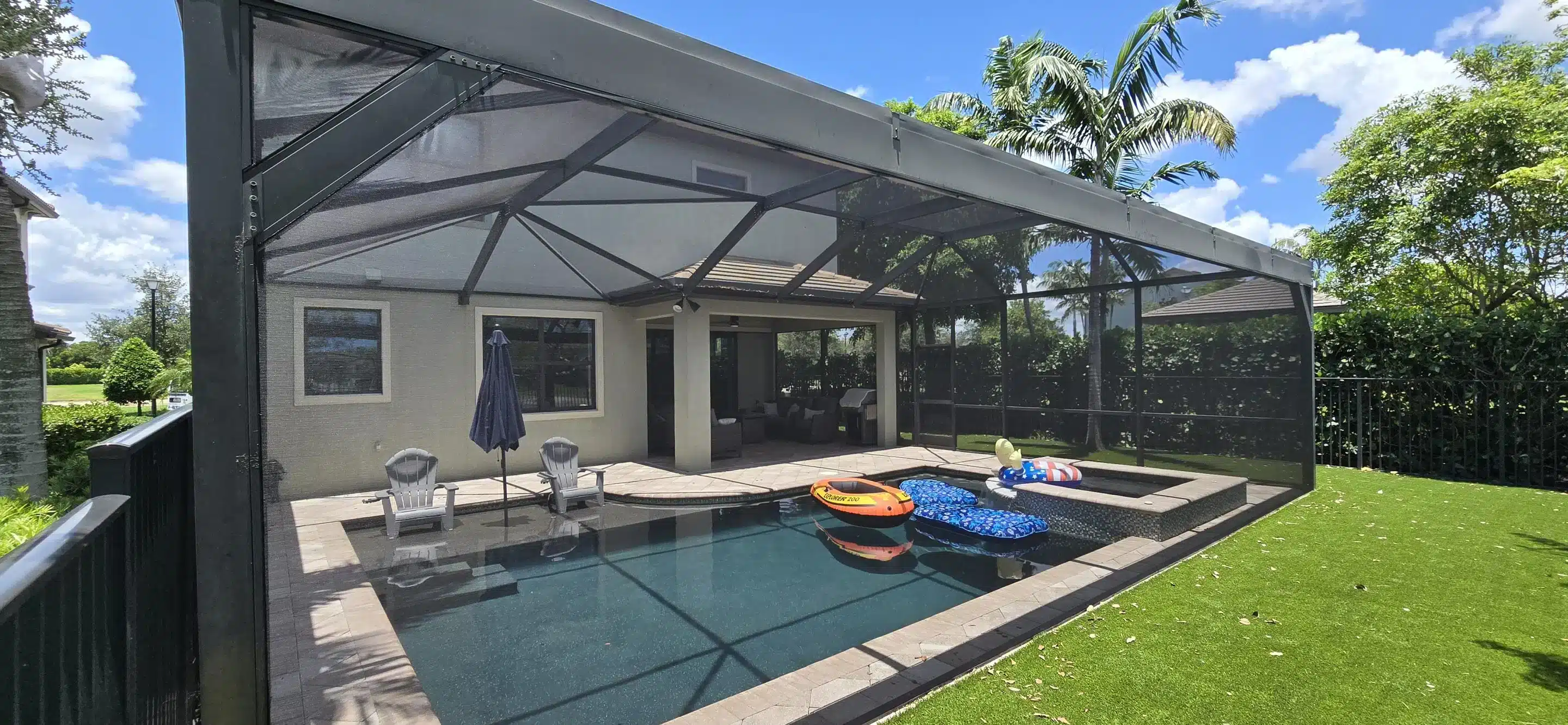
In the Sunshine State, outdoor living is a way of life, but it comes with unique challenges. From the relentless mosquitoes of the Everglades to the intense UV rays and the annual threat of hurricane season, an open patio often becomes unusable. This is why screen enclosures—or “pool cages”—are one of the most popular home improvements in South Florida.
However, as we move into 2026, homeowners in Miami-Dade, Broward, and Palm Beach Counties are seeing a shift in the market. Supply chain stabilization, updated labor rates, and stricter enforcement of the Florida Building Code (FBC) have changed the financial landscape for these projects. Whether you are looking to install a brand-new aluminum structure or wondering about the rescreening cost in South Florida, this guide provides a deep dive into the numbers, materials, and local regulations you need to know.
Average Screen Enclosure Cost in Florida (2026 Data)
The cost of a screen enclosure in Florida is rarely “one size fits all.” Because of the engineering required for wind resistance, a screen room in West Palm Beach will have a different price tag than one in a non-coastal state.
On average, Florida homeowners are spending between $12 and $25 per square foot for professional installation.
Small Patio Enclosures: $2,500 – $8,000
Average Pool Enclosures (20×30): $12,000 – $18,000
Large or Custom Pool Cages (30×50+): $20,000 – $35,000+
Rescreening Services: $1,500 – $5,000 (depending on size and mesh type)
Note: These estimates include the aluminum framework, standard screen mesh, doors, and basic hardware. Custom features like decorative “mansard” roofs or privacy screens will increase the final total.
Factors That Affect Your Screen Enclosure Investment
Understanding why one quote is $10,000 and another is $15,000 requires looking under the hood of the project.
Size and Geometry
Square footage is the primary driver, but complexity is the secondary one. A flat-roof enclosure is the most affordable but may collect debris. A Mansard roof or a Gable roof offers more “vaulted” headspace and better aesthetics, but requires more aluminum and more complex engineering, adding roughly 15-20% to the cost.
Wind Load and Building Codes
In Broward and Miami-Dade, we live in a High-Velocity Hurricane Zone (HVHZ). This means your enclosure isn’t just a bug screen; it’s a structural entity. Per the latest building codes, these structures must be engineered to withstand wind speeds of 175 mph or higher. This requires:
Heavier-gauge aluminum.
Closer spacing of vertical posts.
Enhanced “K-bracing” at the corners.
Robust concrete footers to prevent the structure from lifting during a storm.
Site Preparation and Footers
If you already have a reinforced concrete slab, your costs will be lower. However, if you are building on a new area, you must factor in the cost of a concrete slab and footers. A screen enclosure cannot simply be bolted into thin pavers; it requires a structural “footing” (usually 12″x12″ or larger) to meet Florida safety standards.
Essential Services: Beyond New Installations
At AAA Pro Screening, we find that many homeowners don’t need a totally new structure—they need high-quality restoration.
Rescreening and Repair
Even the best screens have a lifespan. In the Florida heat, standard fiberglass mesh typically lasts 7–10 years before it becomes brittle. If you see “silvering” on your mesh or small tears along the spline, it’s time for a professional rescreen. We offer Affordable Rescreening Services that utilize modern, UV-stabilized mesh designed to last longer than the products used a decade ago.
Super Gutter Installation
One of the most overlooked components of a screen enclosure is the
Choosing the Right Screen Mesh
- Standard 18×14 Mesh: Great for airflow and keeping out large bugs.
- No-See-Um (20×20): A tighter weave for tiny gnats and “no-see-ums” common in Palm Beach County coastal areas.
- PetScreen: A vinyl-coated polyester that is seven times stronger than standard mesh—perfect for households with cats or dogs.
- Florida Glass (Phifer Glass-Shield): A laminated screen that provides privacy and prevents dirt/water from splashing into the enclosure from the ground level.
Signs You Need a Screen Replacement
How do you know if you need a minor repair or a total overhaul? Look for these “red flags”:
Sagging Mesh: This indicates the spline (the rubber cord holding the screen) is failing or the frame has shifted.
Rusting Fasteners: Older enclosures used steel screws that rust over time. We replace these with Nylotec or Stainless Steel fasteners to ensure structural integrity.
Algae and Mold: While some can be washed off, heavy growth often hides microscopic tears in the mesh.
Storm Damage: Even a small “nick” from a flying branch can cause a screen to “zipper” open during the next high-wind event.
The ROI of a Screen Enclosure in Florida
Is it worth the money? In 2026, the answer remains a resounding yes.
Home Value: A well-maintained pool cage or screened-in porch can increase a home’s resale value by 5% to 10%.
Lower Maintenance: By keeping leaves and debris out of your pool, you save hundreds of dollars annually on pool chemicals and electricity for your filtration system.
Expanded Living Space: A screened patio essentially adds a “new room” to your home for a fraction of the cost of a traditional room addition.
How to Save Money on Your Enclosure
Don’t Skimp on Fasteners: Paying slightly more for stainless steel now saves you from “bleeding” rust stains and frame failure later.
Clean Your Gutters: Preventing water backup in your Super Gutter protects your fascia and prevents expensive wood-rot repairs.
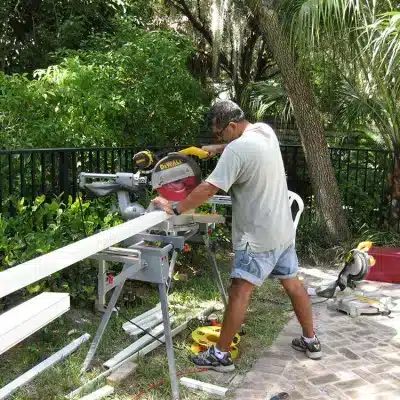
Bundle Your Repairs: If you need two panels replaced, it is often more cost-effective to perform a full Pool Cage Rescreening to ensure uniform tension and appearance across the whole structure.
Get a Professional Quote in South Florida
Navigating the screen enclosure cost in Florida can be confusing, but you don’t have to do it alone. AAA Pro Screening has been the trusted name in Lake Worth, West Palm Beach, and Broward County since 2005.
Our Service Areas Include:
Palm Beach County: West Palm Beach, Jupiter, Boynton Beach, Delray Beach.
Broward County: Fort Lauderdale, Pompano Beach, Coral Springs.
Miami-Dade: North Miami and surrounding areas.
Conclusion
Whether you’re budgeting for a brand-new pool cage rescreening or a complete aluminum installation, the key is to choose a contractor who understands the local climate and codes. A cheap enclosure that blows away in a Category 1 storm is the most expensive mistake a homeowner can make.
If you are ready to enhance your home’s exterior and enjoy a bug-free summer, our team is ready to provide a detailed, transparent estimate.
Contact AAA Pro Screening Today
Phone: (561) 577-9176
Email: ivanalarcon4@gmail.com
Address: 1429 Lakeview Drive, Lake Worth, FL 33461
Website: