

Pool screen repair is a crucial aspect of maintaining a safe and enjoyable outdoor space. Understanding the costs involved can help homeowners make informed decisions.
The climate poses unique challenges for pool enclosures. Frequent storms and high humidity can lead to wear and tear.
Repairing or replacing pool screens can vary in cost, depending on several factors. These include the type of screen material and the extent of damage.
Homeowners should consider both immediate repair costs and long-term benefits. Investing in quality materials can reduce future maintenance expenses.
This guide will explore the costs associated with pool screen repair and replacement. It will help you navigate your options effectively.
Understanding Pool Screen Repair Cost: What to Expect
Pool screen repair costs can vary widely based on multiple factors. Key considerations include the extent of the damage and the type of screen material.
Homeowners often face repair costs ranging from $100 to $300 for minor damage. However, more extensive repairs will cost more.
It’s important to account for different material costs. Each material offers different price points and durability, impacting repair expenses.
When budgeting for pool screen repair, consider these potential factors:
- Type of screen material used
- Size of the pool enclosure
- Labor costs and complexity of the repair
Understanding these elements helps in planning both repairs and possible replacement. By knowing what to expect, homeowners can make informed decisions and optimize their outdoor investment. Consider getting multiple quotes to ensure competitive pricing.
Factors That Influence Pool Screen Repair Prices
Several variables can influence the cost of pool screen repairs. Among these, screen material is a primary factor. Each material, such as fiberglass, polyester, or aluminum, has its price range.
Labor costs also play a significant role in repair pricing. Skilled labor can ensure quality results, but may come with a higher cost. It’s important to balance quality with affordability.
The size of the enclosure affects the overall expense. Larger enclosures require more materials and labor, increasing the total cost. Complex structures might further raise the price due to increased difficulty.
Seasonal weather conditions are another factor in repair costs.
To summarize, consider these key factors:
- Type of screen material
- Labor costs and contractor expertise
- Size and complexity of the enclosure
- Seasonal weather impacts
Understanding these aspects provides a clearer view of potential expenses. This insight enables homeowners to better prepare and manage their budgets for pool screen repairs.
Cost to Rescreen Pool Cage vs. Pool Enclosure: What’s the Difference?
When comparing the cost to rescreen a pool cage versus a full enclosure, size is a defining element. A pool cage generally surrounds just the pool area, whereas a pool enclosure might cover more, such as a patio.
Enclosure rescreening tends to be pricier due to larger surface areas requiring more material and labor. However, this extra expense can enhance the usability of a home’s outdoor space, providing a more extensive sheltered area.
Here’s a quick comparison:
- Pool Cage Rescreening: Often more affordable, smaller area.
- Full Enclosure Rescreening: Covers additional spaces, higher costs.
Deciding between the two depends on homeowners’ specific needs and budgets, offering flexibility in improving outdoor spaces.

Pool Screen Replacement Cost: Full Replacement vs. Panel Repair
Choosing between full pool screen replacement and panel repair depends on the damage extent. Full replacement involves changing all screens, while panel repair targets specific damaged sections.
Full replacement can be costly, ranging from $1,200 to $3,500. However, it offers uniformity and potential warranties for new materials, ensuring long-lasting protection.
Panel repair is often more economical for minor damages, making it a popular choice for smaller issues. Depending on the panel size and material, costs vary significantly.
Consider these factors:
- Full Replacement: Complete overhaul, higher upfront cost.
- Panel Repair: Targeted approach, cost-effective for minor repairs.
Homeowners should assess damage carefully. Consult professionals to determine the most cost-effective solution for their specific situation. Balancing cost with longevity and appearance is key to making the right decision.
Types of Pool Screen Materials and Their Impact on Cost
Selecting the right pool screen material impacts both initial costs and long-term maintenance expenses. Three primary materials are commonly used: fiberglass, polyester, and aluminum, each offering different benefits and price points.
The material choice affects not only the price but also durability and functionality. Homeowners should consider local climate conditions when making this decision.
Here’s a brief overview of common screen materials and their cost implications:
- Fiberglass: Affordable, but less durable.
- Polyester: More resistant to UV rays, higher cost.
- Aluminum: Durable, often more costly.
Factoring in these details can help homeowners make informed choices. Balancing upfront costs with potential long-term savings ensures the best investment in pool screen materials.
Fiberglass Screens
Fiberglass screens are the most budget-friendly option available. They are lightweight and easy to install, making them a favorite for quick fixes. However, they may require more frequent replacements as they are less durable over time compared to other materials.
Polyester Screens
Polyester screens are popular for their superior UV resistance and durability. They are more expensive than fiberglass but offer longer-lasting protection. These screens are ideal for sunny climates, providing excellent coverage and reducing the need for frequent replacements.
Aluminum Screens
Aluminum screens are the top choice for areas prone to severe weather. They are highly durable and can withstand high winds and debris. Though more expensive, their longevity often justifies the initial cost, making them a wise investment for long-term use.
Additional Costs to Consider in Pool Screen Repair
When budgeting for pool screen repair, homeowners should anticipate various additional costs. These can sometimes be overlooked when focusing solely on material prices and labor fees.
Beyond just the screen material, factors like frame repair, cleaning, and maintenance can add up. These additional expenses can vary based on the condition and complexity of the pool enclosure.
Here’s a list of common extra costs to be mindful of:
- Frame repairs or replacements
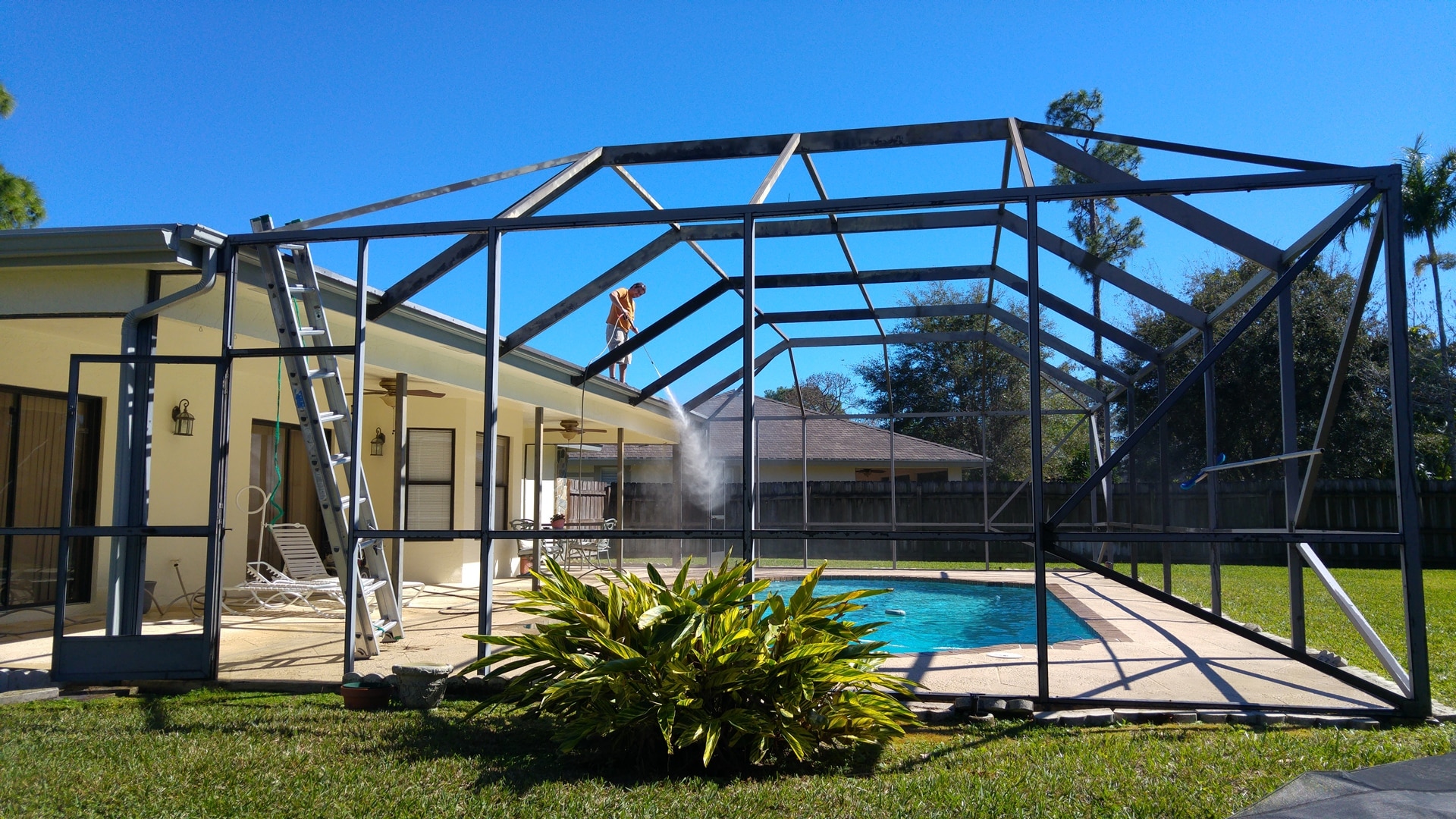
- Pressure washing services
- Hardware and fasteners
- Travel fees for contractors
Understanding these potential costs can prevent surprise expenses and help in setting a more accurate repair budget.
DIY vs. Professional Pool Screen Repair: Cost Comparison
Choosing between DIY and professional repair can significantly impact your budget. DIY pool screen repair might seem cost-effective initially, especially for simple fixes. However, consider potential hidden costs, such as tool purchases and unexpected mistakes.
Professional repair services offer several advantages despite higher initial costs. They provide expertise, quality materials, and often include warranties, ensuring long-lasting results.
Consider these factors when deciding:
- Skill level required for the repair
- Cost of tools and materials for DIY
- Potential for warranty with professional services
In the long run, professionals often deliver more reliable and aesthetically pleasing results, potentially saving money by avoiding frequent repairs.
How Much Does Pool Screen Repair Cost? Real-World Price Examples
The cost of pool screen repair varies widely based on specific factors. Minor repairs might only set you back $100 to $300, while complex or extensive damages can push costs higher.
Larger projects, like full rescreening, fall between $1,000 and $3,000. The final price often hinges on material type and labor hours required.
To provide context, consider these scenarios:
- Simple tear repair: Costs about $150.
- Mid-sized panel replacement: Ranges from $250 to $500.
- Full cage rescreening: Typically between $1,500 and $2,500.
Prices can also be influenced by region, with local labor rates affecting overall expenses. Understanding these examples helps homeowners anticipate and plan for their specific project costs, ensuring a realistic budget.
Tips to Save on the Cost to Rescreen Pool Enclosure
Rescreening your pool enclosure doesn’t have to drain your wallet. Being strategic can reduce expenses significantly. For instance, tackling minor issues early prevents them from escalating into costly repairs.
Here are some tips to help save on costs:
- Regular maintenance: Keeps screens in optimal condition.
- Off-peak scheduling: Book services during slower seasons.
- Compare quotes: Get multiple estimates to find the best deal.
- Consider partial repairs: Only replace necessary panels.
By implementing these strategies, homeowners can efficiently manage costs while maintaining a functional and appealing outdoor space.
Frequently Asked Questions About Pool Screen Repair Prices
Homeowners often have questions about repair costs. Pricing can seem complex with various influencing factors. Here’s a quick look at common queries:
- What affects the cost most? Materials and labor rates.
- Is DIY repair cost-effective? It depends on damage extent.
- Do screen types impact pricing? Yes, each material has different costs.
Understanding these aspects can simplify the decision-making process and provide clarity on potential expenses.
Conclusion: Making the Most of Your Pool Screen Investment
Investing in pool screen maintenance is essential for a functional outdoor space. Choosing quality materials and timely repairs ensures longevity.
Being informed about repair costs helps in making smart choices. This approach not only preserves your pool area but also enhances your property’s overall appeal.